Elementary Program
The Elementary Program—designed for children ages six to twelve, grades one through six—offers your child an unparalleled opportunity for growth in this new period of life. Your imaginative, social and creative child needs an environment with appropriate freedom and limitations, with an expansive curriculum to support their curiosity and prepare them for the challenges of the future.
Learning without Limits
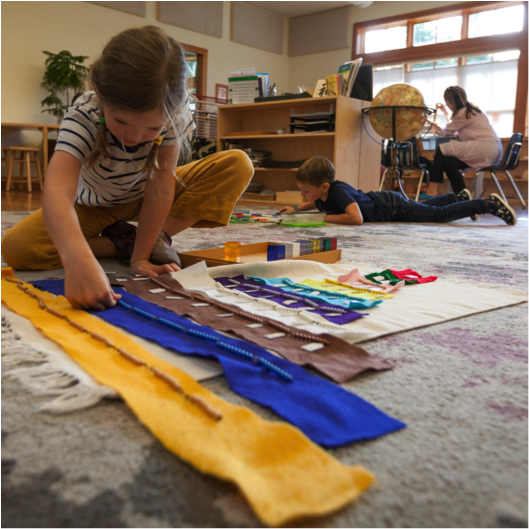
Your child will study both broadly and deeply, covering many subjects not attempted in conventional schools. Elementary students gradually move from concrete to abstract, from simple to complex, from distinct to integrated and interrelated. At the same time, they collaborate with the teacher to ensure that their work is challenging and purposeful—and that basic standards are met. In that way, the teacher is in charge of the minimum scope of work—your child is in charge of the maximum.
The Teacher is an“Enlightened Generalist”
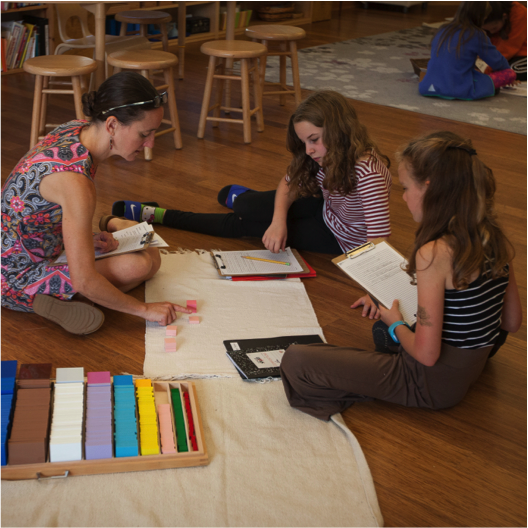
To quote Bruce Lee: “A teacher is never a giver of ‘truth;’ he is a guide, a pointer to the truth that the student must discover for himself.” We couldn’t agree more. Our AMI credentialed Montessori teachers don’t have a specific area of expertise; instead, our teachers have a broad knowledge of all subject areas – more than enough to help your child discover interests in any area imaginable and challenge them to deepen the field of study through research. Instead of giving the right answers, the teacher will ask your child the right questions to inspire them to find their own answers.
The Format Mirrors Your Child’s Developmental Needs
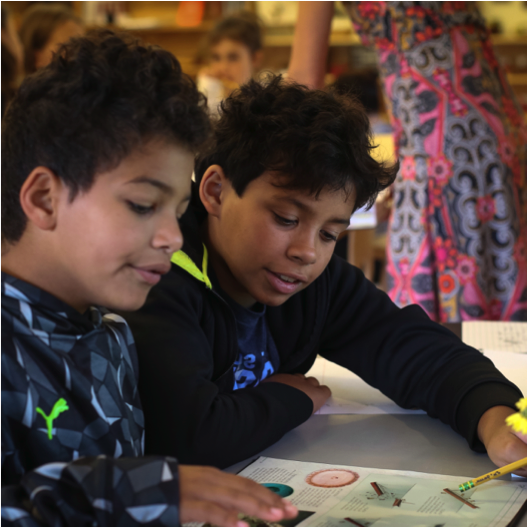
Your elementary age child has a strong drive for social connection. Children at this age begin develop deeper friendships and a connection to the community around them. We embrace your child’s natural need for social exploration by giving lessons in small groups and encouraging children to work with a variety of others on follow-up projects and research into subjects of intense interest. In a Montessori elementary program, children help children before adults help children, resulting in teamwork, independence, and a true learning community.
Engagement is Essential
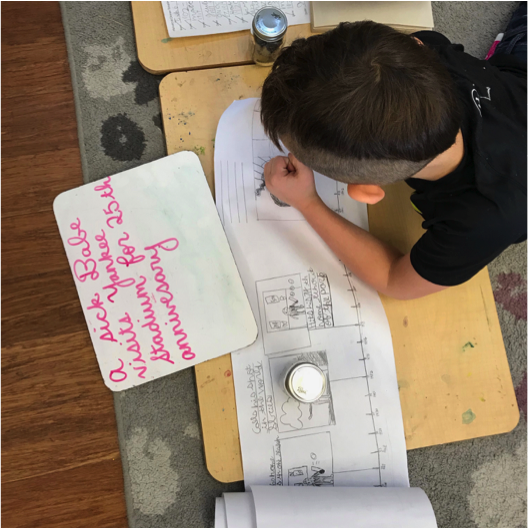
Real learning occurs when children are engaged—not when the teacher makes a blanket assignment. Curiosity is championed in our Elementary Program, and your child is encouraged to explore concepts to a level of detail limited only by their imagination.
Learning Beyond the Classroom
Developing Flexibility, Resilience and Grit
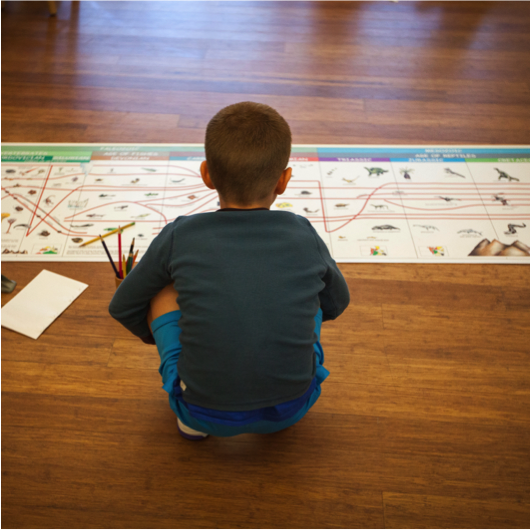
Learning in Contextfor Deeper Understanding
Achieving the State of “Flow”
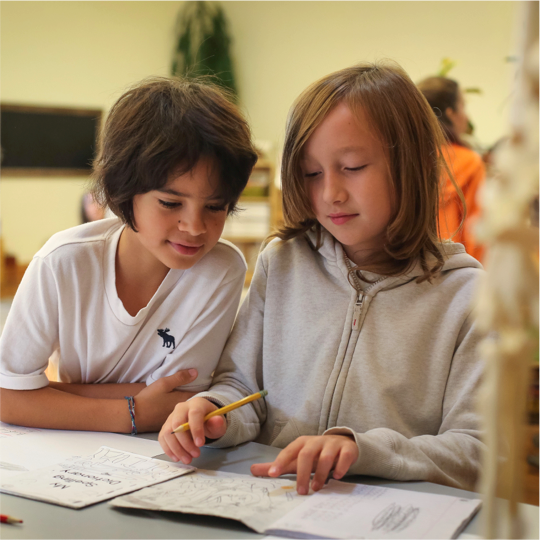
Think about how you do your best work. Is it when you are interrupted by others or when you work to an external time table? Probably not. Why, then, is it any different for your child? Our class day consists of long, open-ended work periods that respect your child’s curiosity and concentration. They may choose to form or join a group to work with concepts introduced in a lesson. And, because they are free to move around the classroom, it’s not uncommon for ideas to spread; children are stimulated not just by the lessons they receive, but by each other.
Learning as its Own Reward
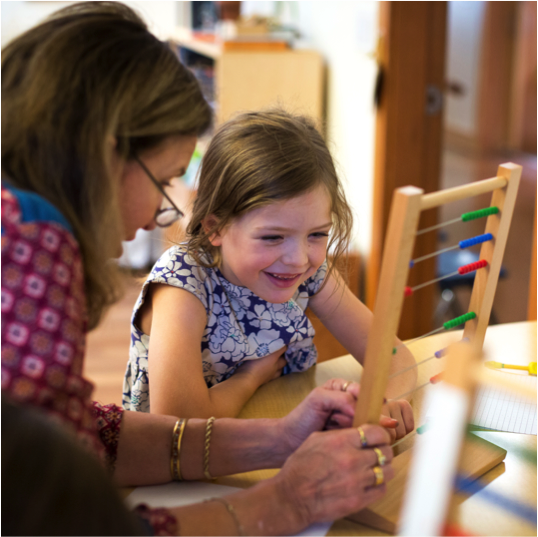
We have high expectations for your child, and believe that rewards and punishments appeal only to the lowest levels of their intellect. By questioning the universe and their place in it, Montessori students develop the problem solving and critical thinking skills necessary to navigate the next great period of transformation: adolescence.
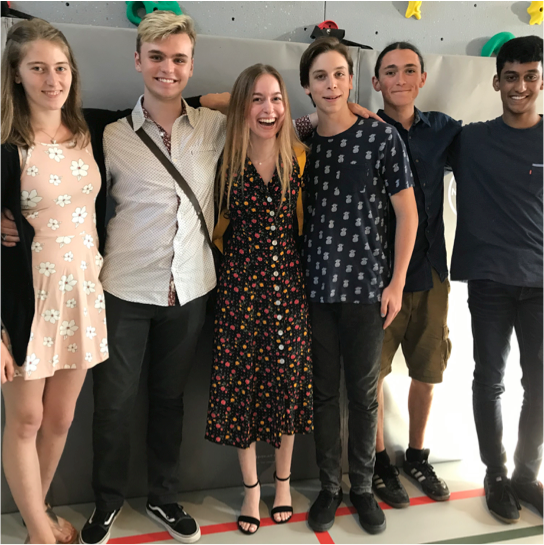
Our Alumni Excel in School—and in Life
Learn More
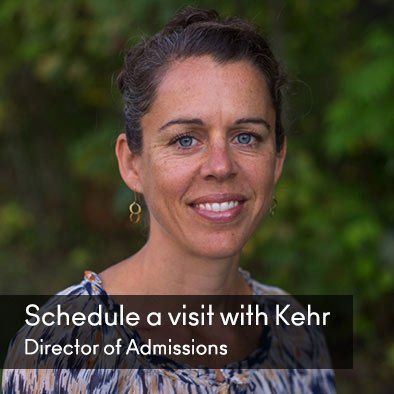
We invite you to learn more about our school, our programs, and our community. Complete either form below, and our Director of Admissions will reach out to talk more about how MSB can benefit your family.
Contact Us
© 2021 The Montessori School of the Berkshires
PO Box 422, 21 Patterson Road, Lenox Dale, MA 01242